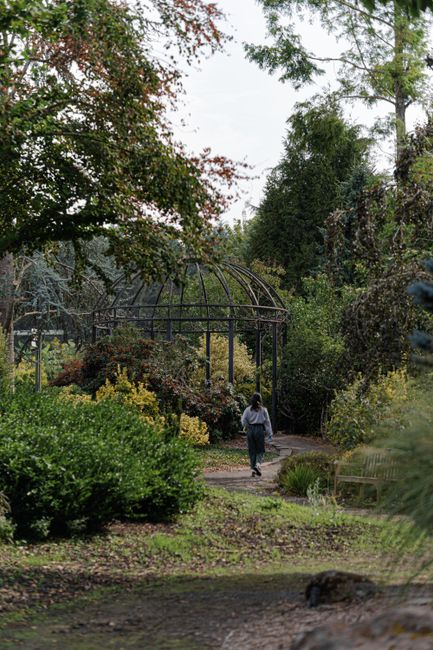
Crystal Palace Park Garden Care Tips from Penge Gardeners
If you live near Crystal Palace Park, you already know the gardens around here have their own personality. Some plots are shaded by mature trees, some get blasted by wind, and others sit in that awkward middle ground where sun and damp seem to take turns. That is exactly why Crystal Palace Park garden care tips from Penge gardeners are so useful: they focus on what actually works in a South London setting, not generic advice that sounds fine on paper and falls apart by Tuesday.
In this guide, you will find practical maintenance ideas for lawns, borders, hedges, paths, and planting schemes, plus a realistic step-by-step routine you can use across the year. We will also cover common mistakes, tools worth having to hand, and the bits of best practice that keep a garden looking tidy without turning every weekend into a marathon. Truth be told, the little fixes usually make the biggest difference.
Whether you are looking after a compact terrace garden, a shared frontage, or a more established outdoor space near the park, the goal is simple: help it stay healthy, attractive, and manageable. No fuss. No overcomplication. Just solid, local know-how.
Why Crystal Palace Park garden care tips from Penge gardeners Matters
Gardens near Crystal Palace Park often sit in a very mixed environment. You may have heavy footfall at the front, mature trees dropping leaf litter at the back, and then a patch of lawn that never dries quite as quickly as you would like. That combination changes how you care for a garden. What works in a sunny suburban cul-de-sac may not work here.
Local gardeners in Penge tend to think in terms of resilience. They are looking at drainage, shade tolerance, wind exposure, soil compaction, and the maintenance rhythm that keeps a space under control even when the weather turns. A patchy lawn is not always a lawn problem, for example. Sometimes it is a soil issue, a light issue, or simply the result of regular wear from people crossing the same line every day.
This matters because small maintenance choices add up. Miss a hedge trim and it becomes a visibility issue. Leave weeds in borders for a few weeks and they start dominating the planting. Neglect leaf clearance in autumn and moss, rot, and slippery paths can creep in. Garden care around Crystal Palace Park is really about staying ahead of the small things before they become the expensive things.
Expert summary: The best local garden care is not about doing more. It is about doing the right tasks at the right time for the conditions you actually have.
For broader seasonal protection ideas, it can also help to read weatherproof garden protection tips alongside this guide. And if hedges are one of your biggest upkeep headaches, the advice in polished hedge trimming methods is a smart companion read.
How Crystal Palace Park garden care tips from Penge gardeners Works
The approach is straightforward: start with observation, then prioritise, then maintain. That sounds almost too simple, but in real gardens it works better than a long list of random jobs. First, look at how the space behaves through a typical week. Where does water sit after rain? Which area gets the most shade? Which plants seem to keep thriving without much help?
Once you know that, maintenance becomes more targeted. A lawn in a shady, damp corner needs different care from one on a brighter edge. Border plants near a wall may need extra airflow. A path shaded by trees may need clearing more often to prevent algae and leaf build-up. That is the local logic behind good garden care.
In practical terms, Penge gardeners usually split work into a few recurring jobs:
- regular weeding and edge definition
- seasonal pruning and hedge control
- soil improvement and mulching
- lawn mowing and lawn care adjustments
- clearing paths, patios, and hard surfaces
- checking for damage, pests, and overcrowding
Some gardens need low-maintenance planting to reduce the workload. Others need a reset first, then ongoing care. If your space feels tired, the ideas in awaken your dormant garden can help you think about a fresh start without ripping everything out.
And if you are working with limited space, the same maintenance logic applies. Containers, vertical layers, and climbers can make a huge difference. A useful related guide is mastering container gardening, which is especially handy for smaller outdoor areas.
Key Benefits and Practical Advantages
The big advantage of good garden care is not just appearance, although let's face it, a neat garden does feel better to step into. It is also about health, cost control, and usability. When a garden is maintained properly, you spend less time firefighting and more time enjoying the space.
Here are the main benefits local homeowners notice:
- Better plant health: regular care reduces stress, disease build-up, and competition from weeds.
- Safer outdoor spaces: clearing slippery paths, overgrown edges, and trip hazards makes a garden easier to use.
- Lower long-term costs: smaller, regular tasks are usually cheaper than a major recovery job.
- Better kerb appeal: tidy borders, even lawn edges, and well-kept hedges lift the whole property.
- More usable space: a garden that is maintained properly can actually be sat in, walked through, and enjoyed.
There is also a climate angle worth mentioning. Healthy gardens can help with shade, biodiversity, and water management, which is why many people now think about planting and maintenance as part of a wider environmental picture. If that interests you, have a look at the climate value of gardens.
For people trying to keep things tidy on a budget, simple structure matters. You do not need a full redesign to make progress. Sometimes one careful hedge cut, one weed pass, and one mulch top-up can completely change how a space feels on a wet Wednesday afternoon.
Who This Is For and When It Makes Sense
This advice is for anyone responsible for a garden near Crystal Palace Park who wants a sensible maintenance routine. That might be a homeowner, a landlord, a tenant with permission to improve the space, or someone looking after a front garden that gets seen by every passer-by with a dog and a coffee. You know the sort.
It makes particular sense if:
- your garden is getting overrun by weeds or self-seeding plants
- your lawn looks tired, patchy, or mossy
- hedges are losing shape or blocking light
- paths and patios are slippery, dirty, or stained
- your borders look bare for part of the year
- you want low-maintenance structure rather than constant replanting
It is also useful if you are trying to create a more family-friendly or pet-friendly garden. A space that is safe for children and pets usually needs clearer boundaries, less clutter, and more robust planting choices. If that is where you are heading, these reads may help: garden ideas for children's senses and pet-friendly garden solutions.
When should you bring in professional help? Usually when a task is bigger than a quick tidy-up, involves height or heavy waste, or needs specialist equipment. Overgrown hedges, tree work, deep patio cleaning, and recurring lawn problems are all common examples. Not every job should become a DIY challenge. Sometimes the smartest move is simply not climbing the unstable step ladder.
Step-by-Step Guidance
Here is a practical routine you can follow through the year. It is not fancy. That is the point.
1. Walk the garden before you touch anything
Start by looking, not cutting. Take note of what is actually happening in the space: where the weeds are strongest, where water pools, which plants are struggling, and what looks messy versus what is just seasonal change. A lot of unnecessary work starts with panic. A good walk around the garden fixes that.
2. Clear the obvious problems first
Remove fallen leaves, dead stems, broken pots, and anything blocking access. If there is a path or patio, sweep it. If the surface is slippery or stained, it may be time for deeper cleaning. A tidy base makes the rest of the job more efficient.
3. Deal with weeds before they seed
Weed control is much easier early on. Pull annual weeds before they flower, and check the base of fences, sheds, and paving joints. If you leave them too long, the job multiplies. A little brutally honest, but there it is.
4. Shape hedges and shrubs with the plant in mind
Do not clip everything into the same geometry. Different shrubs respond differently, and hedges near paths or boundaries need a different approach from ornamental shrubs in borders. If your hedge is part of a privacy screen, the guide to fast-growing hedge ideas for privacy can help you choose or maintain the right structure.
5. Feed the soil, not just the plants
Soil that is tired or compacted will never support a truly healthy garden. Add organic matter where possible, mulch bare soil, and avoid leaving ground exposed for long periods. Compost is often the quiet hero here. If you want to reduce waste while improving the garden, turning organic waste into soil treasure is worth a read.
6. Check the lawn carefully
Look for bare patches, moss, compaction, and uneven growth. Adjust mowing height rather than scalping the grass. In shaded or damp areas, a lawn may need less frequent cutting and more targeted care. If you mow too low too often, you will see stress show up fast. Grass is resilient, yes, but not indestructible.
7. Finish with edges and detail work
Clean edges give a garden its finished look. Define borders, tidy around trees, trim stray growth, and make sure compost or mulch is not spilling onto hard surfaces. This is the part that makes a garden feel looked after rather than just cut back.
Expert Tips for Better Results
After years of practical maintenance, a few habits keep showing up as the difference between a garden that merely survives and one that feels properly cared for.
- Mulch in the right season: a layer of mulch helps suppress weeds and hold moisture, but do not bury plant stems.
- Prune with purpose: cutting for shape is one thing; cutting to improve air movement and plant health is better.
- Use plants that suit the site: shade, wind, and damp are not minor details. They shape everything.
- Keep hard landscaping clean: patios and paths are part of the garden experience, not separate from it.
- Build maintenance into the calendar: a 20-minute regular job often prevents a 2-hour rescue later.
One small but useful tip: always leave yourself a clear finishing step. It might be sweeping paths, resetting pots, or checking bin bags for stray clippings. That final pass changes how complete the work feels. A garden can be technically tidy and still look a bit half-finished. People notice that more than you'd think.
If your garden tends to get blustery, exposed, or battered in winter, the guidance in windbreaks and barriers for windy gardens is a practical companion. Likewise, for seasonal protection, winter plant protection is very relevant for South London conditions.
Common Mistakes to Avoid
Most garden problems we see around busy urban neighbourhoods come from a few repeat mistakes. Nothing dramatic. Just the kind of thing that quietly snowballs.
- Overcutting hedges and shrubs: too much at once can leave bare patches and weak regrowth.
- Ignoring drainage: wet spots, puddling, and compacted soil will keep causing trouble until you address them.
- Using the wrong plant in the wrong place: a sun-loving perennial will not magically thrive in deep shade because you believe in it.
- Letting ivy and climbers run unchecked: they look charming until they start swallowing fence panels or gutters.
- Using patio cleaners or weed treatments carelessly: always follow product instructions and protect nearby planting.
- Chasing perfection every week: gardens are living spaces. Some seasonal variation is normal, even healthy.
Ivy, in particular, deserves a mention. It can be useful, but it also needs watchful control. If it has already become a nuisance, this ivy removal guide is a sensible place to start.
And here is the one that catches people out most often: mowing or pruning when the conditions are wrong. Wet grass, frosty mornings, and heat-stressed plants all respond badly to heavy-handed work. If you are unsure, wait. A short delay is usually better than making the plant fight back for the next month.
Tools, Resources and Recommendations
You do not need a van full of equipment to maintain a garden well. A small set of reliable tools will cover the majority of jobs if they are kept sharp and clean.
- good secateurs for light pruning and deadheading
- hedge trimmers for clean, even shaping
- lawn mower suited to the size of the lawn
- stiff broom or patio brush for hard surfaces
- fork or aerator for compacted soil
- gloves, kneeling pad, and a decent bucket or trug
- wheelbarrow or bags for green waste
If you are building up your kit, the must-have tools guide is a useful reference. For smaller spaces, the vertical and container-focused guides can help you get more from less room, especially if your garden is more courtyard than countryside.
Some services are worth considering when the job becomes more than routine care. For example, if your lawn needs a reset, lawn care support can help with weak patches and general improvement, while lawn mowing keeps the regular cut under control. Patio and hard surface cleaning can make an unexpected difference too, particularly in damp or shaded gardens.
For a broader maintenance approach, garden maintenance and general gardening services are often the simplest way to handle seasonal work without letting it pile up.
Law, Compliance, Standards, or Best Practice
Garden care is not usually heavy on regulation, but there are still sensible standards to keep in mind. The main one is safety. If work involves ladders, power tools, or heavy lifting, it should be approached carefully and with proper equipment. That includes keeping walkways clear while working and making sure waste is handled safely.
If you are hiring help, it is reasonable to expect clear communication about insurance, risk awareness, and how the work will be carried out. Good practice also means respecting neighbours, especially where hedge cutting, tree work, or waste removal could affect access or create noise. In dense parts of London, that matters.
There is also a practical side to compliance around waste. Green waste should be dealt with responsibly, and materials such as diseased cuttings, sharp debris, or large branches need suitable disposal. If you are unsure how to handle a particular job, it is better to ask before the work starts than to sort out a problem afterwards.
For peace of mind, these pages can be useful when reviewing a provider's approach: insurance and safety, health and safety policy, terms and conditions, and payment and security. They are the kind of details many people skip until they need them. Best not to skip them, to be fair.
Options, Methods, or Comparison Table
Different gardens need different levels of input. Here is a simple comparison that can help you decide what type of care is most practical.
| Approach | Best for | Advantages | Watch-outs |
|---|---|---|---|
| Weekly light maintenance | Small to medium gardens with steady growth | Keeps everything under control, easy to budget for | Needs consistency; easy to slip behind |
| Seasonal intensive tidy-up | Overgrown or neglected gardens | Fast visual improvement, useful for resets | Problems can return if no follow-up routine is set |
| Mixed DIY and professional support | Busy households or larger plots | Balances cost and expertise, flexible | Requires clear planning and communication |
| Low-maintenance redesign | People wanting fewer chores | Reduces long-term work, easier to enjoy | Initial planning matters; plant choice has to suit the site |
For many people near Crystal Palace Park, the mixed approach is the sweet spot. Do simple weekly jobs yourself, then bring in support for larger jobs such as hedge shaping, tree work, or deeper cleaning. That keeps the garden looking decent without turning every season into a battle.
If privacy is part of the brief, the right planting strategy can help a lot. The article on evergreen shade climbers and the one on rapid-growth hedges both offer useful ideas for living screens and boundary cover.
Case Study or Real-World Example
Here is a simple real-world style example based on the kind of work that comes up often in Penge. A narrow rear garden near Crystal Palace Park had three recurring issues: a patchy lawn, a weedy side return, and a hedge that had become broad enough to steal light from the kitchen window. Nothing unusual, just a garden that had quietly got on top of itself.
The first visit focused on clearing. Leaves, weeds, and old clippings came out first. Then the hedge was reduced carefully rather than hacked back, because the shape still mattered. The lawn was cut at a sensible height, not scalped. The soil was lightly improved in the worst areas, and the side return was cleaned so it stopped dragging dirt back into the house after rain.
Nothing dramatic happened overnight. That is the honest bit. But within a few weeks the garden looked wider, brighter, and far easier to manage. The owner was able to keep it tidy with shorter, regular sessions instead of occasional all-day clear-outs. That is usually the win. Not perfection. Just a space that feels liveable again.
If a garden includes fencing that is leaning, damaged, or acting as a wind trap, a separate fencing service can be part of the fix. And where overgrown trees are blocking light or crowding the space, tree surgery support may be the safer, more effective option than trying to manage it piecemeal.
Practical Checklist
Use this quick checklist before you wrap up any garden care session.
- Have I cleared leaves, broken stems, and visible debris?
- Have I dealt with weeds before they spread?
- Are hedges, shrubs, and climbers staying within their boundaries?
- Does the lawn need mowing, feeding, or scarifying attention?
- Are paths, patios, and steps safe and free from slippery build-up?
- Is there enough light and airflow around plants that need it?
- Have I added mulch or compost where the soil is exposed?
- Do any plants need watering, staking, or winter protection?
- Is there any damage to fencing, decking, or hard landscaping?
- Do I need professional help for a bigger or riskier task?
A small checklist like this keeps maintenance focused. You do not need to do everything every time. You just need to notice the right things early. That is half the battle, honestly.
Conclusion
Crystal Palace Park garden care tips from Penge gardeners are really about practical judgement. Work with the site, not against it. Respect shade, wind, damp, and wear. Keep the routine simple enough to repeat. And when a job gets too big, too high, or too fiddly, bring in help before it turns into a bigger problem.
The good news is that gardens rarely need everything at once. They usually need a few smart, timely actions done well. A bit of clear cutting. A bit of soil care. A bit of patience. Then the whole space starts to breathe again.
Get a free quote today and see how much you can save.
And if you are still shaping your outdoor plans, remember this: a well-kept garden does not just look better. It feels easier to live with. That is the real payoff, and it lasts.
Frequently Asked Questions
What are the best Crystal Palace Park garden care tips from Penge gardeners for a small garden?
For smaller gardens, focus on structure and regularity. Keep the lawn manageable, trim hedges before they crowd the space, and choose plants that do not need constant intervention. Containers, climbers, and tidy borders often work better than lots of separate features.
How often should a garden near Crystal Palace Park be maintained?
Most gardens benefit from weekly light attention and a more thorough seasonal check. In busy or fast-growing gardens, small jobs every week are much easier than trying to rescue everything once a month.
What makes local garden care different in Penge?
Local conditions matter. Shade from mature trees, compacted soil, damp patches, and wind exposure can all affect how a garden behaves. Penge gardeners usually plan around those realities instead of assuming the same approach suits every plot.
Is it better to DIY or hire a gardener for regular maintenance?
That depends on time, tools, and the size of the job. Light tasks like weeding and sweeping are often easy enough to manage yourself. Larger work, such as hedge cutting, tree care, and major tidy-ups, is often better handled professionally.
How can I keep my lawn healthy near Crystal Palace Park?
Cut at a sensible height, avoid mowing when the lawn is wet or stressed, and do not ignore bare patches or moss. Lawn care often improves fastest when you combine mowing with feeding, aeration, and occasional soil improvement.
What should I do about overgrown hedges and shrubs?
Start with a careful reduction rather than a heavy cut. If the hedge is a boundary feature or privacy screen, keep its shape balanced. For larger or taller hedges, professional trimming is usually safer and neater.
Can garden maintenance help with privacy?
Yes. Well-chosen hedges, climbers, and layered planting can create screening without building hard barriers everywhere. The key is to pick plants that suit the light levels and maintenance commitment you can realistically keep up.
What are the most common garden mistakes people make?
Overcutting, ignoring drainage, letting weeds seed, and choosing the wrong plant for the site are among the biggest. Another classic mistake is waiting too long to deal with a small problem, then facing a much bigger clean-up later.
Do I need specialist help for patio or path cleaning?
If a hard surface is slippery, heavily stained, or covered in moss and algae, specialist cleaning can be a sensible option. It can improve safety and brighten the whole space faster than surface sweeping alone.
What is the best time of year for a garden tidy-up in South London?
There is value in every season, but spring and autumn are often the most important. Spring sets the garden up for growth, while autumn clears away the material that can cause problems through winter. That said, regular upkeep all year is still the best habit.
How do I decide whether a garden needs a reset or just routine care?
If the space is heavily overgrown, poorly structured, or difficult to move through, a reset may be the better starting point. If it is generally healthy but messy in places, routine care is usually enough. A quick assessment from an experienced gardener can save a lot of guesswork.
Where can I find more help for garden maintenance and related services?
You can explore support for gardening services, garden maintenance, lawn care, and patio cleaning if you want a more hands-on solution for a garden near Crystal Palace Park.