Emergency garden clearance Penge common problems and costs
If your garden has tipped from "a bit untidy" into properly urgent, you are not alone. Emergency garden clearance in Penge is usually needed when overgrowth, storm damage, waste build-up, or safety risks start taking over and you need the space made safe, usable, and manageable fast. In this guide, we'll break down the common problems, the real-world costs, and what a sensible clearance job should look like in practice. We'll also cover the bits people forget about, like access issues, green waste, and what happens when there's more to remove than first meets the eye.
To make the next step easier, this article gives you a clear process, a practical checklist, and honest guidance on what drives price up or down. If you're comparing options, you may also find it useful to look at pricing and quotes before booking, especially if the job looks bigger than a quick tidy-up. Let's get into the detail.
Why Emergency garden clearance Penge common problems and costs Matters
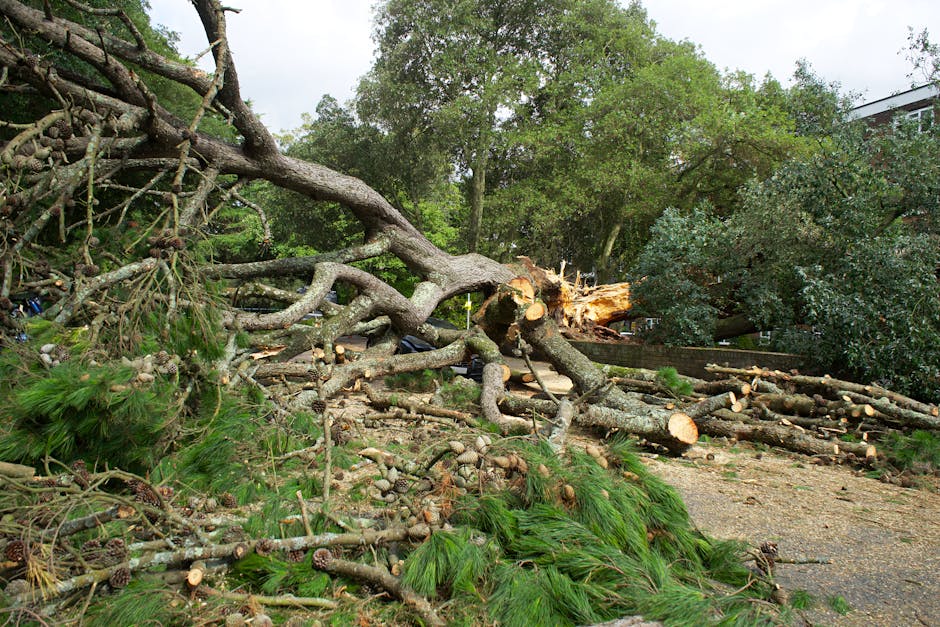
When a garden needs emergency clearance, time is often the issue, but not always the only issue. A blocked path, broken fence line, collapsed branches, thick ivy, or piles of waste can create trip hazards and make the outdoor space unusable. In some cases, the problem is simple neglect; in others, it follows a storm, a tenancy change, a property sale, or a sudden lapse in maintenance. Truth be told, gardens can get out of hand faster than most people expect, especially after wet weather and a few weeks of growth.
The cost matters because urgency changes everything. A standard tidy garden visit is one thing; removing heavy, tangled, thorny, or contaminated material is another. The bigger risk for homeowners is assuming that every job is "just clearing plants". It rarely is. Emergency clearance may also need extra care around sheds, decking, fencing, or tree roots, which can pull the work into other services such as tree surgery, fencing, or even decking services if there is hidden damage beneath the mess.
There is also a practical value here: a fast clearance can stop the problem spreading. Once weeds seed, ivy climbs, wet leaves rot, and compostable waste sits too long, a simple fix can become a much bigger job. That is why experienced local teams usually assess access, waste volume, safety risks, and disposal needs before quoting properly.
Key takeaway: emergency garden clearance is not just about making a garden look better. It is about removing hazards, restoring access, and dealing with the real cost drivers before they catch you out.
How Emergency garden clearance Penge common problems and costs Works
A proper emergency clearance usually starts with a quick assessment. The aim is to work out what is urgent, what can be removed immediately, and what needs a more careful approach. For example, an overgrown front garden blocking a path may be straightforward, while a rear garden with broken glass, damp timber, dense bramble growth, and a leaning tree needs a more cautious plan.
Most jobs follow a familiar sequence:
- Initial review: check the site, access route, and obvious hazards.
- Prioritisation: remove immediate risks first, such as sharp debris, unstable branches, or blocked walkways.
- Cutting and lifting: clear weeds, brambles, ivy, dead growth, and loose debris.
- Sorting waste: separate green waste from mixed waste and bulky items.
- Loading and disposal: bag, load, and remove materials responsibly.
- Final sweep: leave the area safe, tidy, and ready for any follow-up work.
The biggest cost shifts come from volume and difficulty. A compact courtyard with knee-high weeds is not priced like a back garden filled with mature growth, damp branches, and builder's rubble. Access matters too. If waste must be carried through a narrow side passage or up steps, labour time rises. If the site includes a lot of ivy, roots, or tree-related work, the job may need specialist handling and possibly support from ivy removal guidance or broader garden restoration ideas from start afresh garden advice.
Some jobs can be completed in a single visit. Others need a first pass for safety and clearance, then a second stage for shaping, pruning, or replanting. That split is normal, and it is often the most sensible approach.
Key Benefits and Practical Advantages
The obvious benefit is getting your garden back. But the real upside is bigger than that. A cleared outdoor space is safer, easier to maintain, and usually less stressful to live with. You notice it immediately: the light comes back in, you can see the paths again, and the whole place feels less oppressive.
- Safety: fewer trip hazards, less fire risk from dry waste, and less chance of hidden damage being missed.
- Speed: emergency work gets the worst problems under control before they worsen.
- Property presentation: useful if you are selling, renting, or expecting an inspection.
- Better long-term upkeep: once the clutter is gone, ordinary maintenance becomes much easier.
- Reduced stress: a neglected garden can hang over you; clearing it can feel like a reset button.
There is also a design benefit. Once a space is cleared, you can actually see what you are working with. Maybe the garden has a good structure underneath all the overgrowth. Maybe the border can be revived with ground cover, or the shady side could support evergreen climbers. That is where good follow-up advice matters, and it is why some homeowners move from clearance into more thoughtful improvements, using ideas from ground cover planting or evergreen shade climbers.
And yes, sometimes the best result is simply being able to step outside without muttering under your breath. That counts too.
Who This Is For and When It Makes Sense
Emergency garden clearance makes sense for a wide range of people, not just those with truly wild gardens. In our experience, the request often comes from someone who has had "one busy season too many" and suddenly realises the garden is no longer manageable without help.
It is especially relevant if you are:
- dealing with storm damage, fallen branches, or heavy leaf fall
- moving house and need the property to look presentable quickly
- preparing a rental property for new tenants
- returning to a garden after illness, travel, or a long gap in maintenance
- trying to reclaim a neglected plot with dense weeds, brambles, or self-seeded growth
- needing to clear access before fencing, landscaping, or repairs begin
It also makes sense when the issue is partly visual and partly practical. For instance, if overgrown hedges are blocking light and access, a clearance may need to sit alongside trimming. If the problem includes unsafe tree limbs, it may make more sense to include specialist work from hedge trimming in Penge or tree care support, depending on what is actually there.
Sometimes the better question is not "Do I need emergency clearance?" but "How quickly can I stop this getting worse?" That shift in thinking helps people act early, before the job becomes more expensive than it needed to be.
Step-by-Step Guidance
1. Look at the garden with fresh eyes
Walk the space slowly and note what is actually urgent. Focus on access, safety, blocked drains, fallen material, and anything that could cause injury. Try not to get distracted by the general mess. Easy to say, I know.
2. Separate the problem into layers
Some things are surface clutter; others are structural. A pile of leaves is one thing. A collapsed fence panel buried under bramble growth is another. Make a rough list of what must go, what can be cut back, and what may need specialist attention.
3. Think about waste type and disposal
Green waste, mixed garden waste, timber, soil, and building debris can all affect how a clearance is priced and handled. The more mixed the waste, the more sorting and loading time is usually involved.
4. Check access before work starts
Narrow side gates, locked shared access, awkward steps, and long carrying distances all add labour. It sounds minor, but it changes the job. A good crew will want to know this up front.
5. Decide whether the job is one-off or phased
Some clearances are best handled in one sweep. Others should be split, especially if the first stage is about safety and the second stage is about restoring shape and function. If the garden is heading toward longer-term maintenance, it may be worth reviewing garden maintenance and lawn care options too.
6. Ask for a written scope
A clear scope should say what is included, what is excluded, and how waste will be handled. That stops misunderstandings later. And yes, it saves arguments nobody wants on a wet Tuesday afternoon.
Expert Tips for Better Results
Good clearance work is not just about speed. It is about doing enough of the right thing, in the right order, so the garden does not bounce straight back into chaos.
- Prioritise the first visible risks. Paths, doors, drains, and broken edges should come before cosmetic tidying.
- Be honest about hidden waste. If there might be rubble, old timber, or containers buried under growth, say so early.
- Plan for aftercare. A cleared site can look bare. That is normal. Use the opportunity to decide whether the space needs weed control, planting, or simple maintenance.
- Use the right seasonal timing. After heavy rain, some gardens become very soft underfoot. In winter, clearing can expose frost-damaged material that needs careful handling; in summer, dry waste can be brittle and dusty. Both are manageable, just different.
- Keep a small budget buffer. Even a tidy-looking job can reveal extra work once the surface layer is removed.
If the garden is also exposed to wind or harsh weather, it may be worth thinking a step ahead. Practical protection from weatherproofing measures and ideas from windbreaks and barriers for windy gardens can stop the same mess from returning so quickly.
A small but useful tip: take photos before the job begins. Not because anyone expects drama, but because it helps everyone agree what "clear" means once the work is done.
Common Mistakes to Avoid
Most clearance problems are predictable. The job goes wrong when people guess, rush, or treat a complex site like a simple garden tidy.
- Underestimating the amount of waste. What looks like two bags can easily become ten once cuttings are compacted.
- Forgetting access constraints. A difficult carry route increases labour, and this should be included in the quote.
- Mixing every material together. Mixed loads often take longer to process than separated green waste.
- Ignoring safety hazards. Glass, nails, unstable branches, and hidden holes are a real issue.
- Choosing price alone. Cheap can be fine, but only if the scope is clear and the work is properly insured.
- Skipping the follow-up plan. If you do not want the garden to become overgrown again, you need a maintenance step after clearance.
One more thing people often miss: cutting everything to ground level is not always the same as clearing it properly. Ivy can regrow, roots can stay active, and some shrubs will need full removal rather than a trim. If it is a serious tangle, the job can become closer to restoration than simple clearance, and that is a different conversation entirely.
Tools, Resources and Recommendations
You do not need a van full of gear to understand what a good clearance job uses, but it helps to know the basics. The right tools depend on the site, yet a serious clearance usually involves a mix of cutting, lifting, and waste-handling equipment.
- heavy-duty gloves and protective clothing
- loppers, saws, and secateurs for woody growth
- spades or forks for rooted waste
- tarps or sacks for moving cut material
- wheelbarrows or tubs for bulk removal
- rakes and brushes for the final sweep
For people who want to understand how the site might be improved after clearance, there are useful internal resources on weed control, turning waste into soil treasure, and creating a nature-inspired garden space. Those are not clearance guides exactly, but they do help with what comes next.
If you are preparing the property for people, pets, or children, the aftermath matters too. A cleared garden can be turned into a safer, calmer space with better layout choices, and sometimes even a few simple changes make the difference between a temporary fix and a proper reset.
Law, Compliance, Standards and Best Practice
For emergency garden clearance, the most sensible approach is to follow normal UK expectations around safety, waste handling, and responsible work practices. That means using suitable protective equipment, keeping pathways safe, and making sure waste is managed properly rather than dumped or left in a confusing heap.
If a clearance involves heavy branches, unstable trees, or work near structures, it should be treated as a safety-sensitive job. Good practice usually includes risk awareness, clear communication, and insurance appropriate to the work being carried out. For peace of mind, it is worth checking a provider's approach to insurance and safety before booking.
Where waste is concerned, responsible disposal matters. Garden waste should be sorted sensibly, and anything mixed with non-green material needs extra care. If the site includes timber, damaged fencing, or other rubbish, the job may also need the right handling process rather than a simple bag-and-go approach.
It is also good practice to work within the terms of any property agreement, especially in rental or managed settings. If there is uncertainty around access, neighbours, or shared boundaries, that should be sorted before the clearance starts. A few awkward minutes upfront can save a lot of friction later.
Options, Methods, or Comparison Table
Not every urgent garden job needs the same type of response. Sometimes a quick clearance is enough. Sometimes the garden needs heavier work, and sometimes you are really looking at a wider restore-and-maintain project.
| Option | Best for | Typical strengths | Common downside |
|---|---|---|---|
| Quick emergency clearance | Blocked access, sudden overgrowth, immediate safety risks | Fast response, immediate relief, easier to budget | May not solve underlying regrowth or structural issues |
| Full clearance and waste removal | Heavy neglect, dense brambles, mixed debris, storm damage | More thorough, cleaner finish, better for reset jobs | Costs more because labour and waste volume increase |
| Clearance plus garden recovery | When you want the space usable again long term | Combines cleanup with planning for maintenance, planting, or repairs | Takes longer and may require multiple stages |
In many Penge gardens, the best choice sits between the first and second option. You clear the urgent problem, then you decide whether the space needs hedge work, lawn repair, or a proper maintenance plan. That balanced approach usually gives better value than trying to do everything in one rush.
Case Study or Real-World Example
Picture a typical rear garden after a wet month and a bit of neglect. The path is half-covered in weeds, a pile of cut branches has sat in the corner, and ivy has crept across one fence panel. Nothing dramatic on its own, but together it makes the space feel cramped and a bit unsafe.
The first pass is simple: remove loose debris, cut back access routes, and clear anything sharp or unstable. Once the obvious hazards are gone, the team can see that the waste pile is bigger than expected and one fence panel has been weakened by the weight of the growth. At that point the job shifts from basic clearance to a clearer recovery plan, possibly including fencing support and a bit of shaping work. If the lawn underneath has been smothered, then lawn mowing or lawn recovery becomes part of the conversation too.
The key lesson from jobs like this is straightforward: what you think is a one-hour tidy can become a proper two-stage clearance once the hidden layers are exposed. That is not a bad thing. It just means the quote should match the real site, not the hopeful version of it.
Practical Checklist
- Identify the main risk: blocked access, storm damage, overgrowth, or waste build-up.
- Check whether the site has hidden hazards such as glass, nails, or unstable branches.
- Estimate how much waste is visible, then assume there may be more underneath.
- Think about access, carrying distance, and whether machinery can reach the garden.
- Decide whether the job is a one-off clearance or the start of a longer recovery plan.
- Ask what is included in the price: labour, loading, waste removal, and disposal.
- Confirm whether mixed waste, tree work, or fencing repairs might change the scope.
- Make sure the work area is safe for children, pets, and neighbours before the team arrives.
- Take before photos if you want a clearer record of the site condition.
- Plan the follow-up: weed control, trimming, maintenance, or planting.
Conclusion
Emergency garden clearance in Penge is really about turning a difficult space back into something safe, manageable, and honest again. The common problems are usually straightforward to name-overgrowth, waste, access, weather damage-but the costs vary because every garden hides its own little surprises. Some jobs are simple. Others uncover extra work that you only discover once the first layer is gone.
The smartest approach is to assess the site properly, be realistic about waste and access, and choose a clearance plan that solves the actual problem rather than only the visible one. Done well, the result is more than a tidy garden. It is a breath of relief, a bit of space to think, and a sensible starting point for whatever comes next.
Get a free quote today and see how much you can save.
If you want to explore the company background before making a decision, you can also read more about about us and the way the team approaches gardening services. A quick conversation often clears up a lot, and that first step is usually easier than it looks.
Frequently Asked Questions
What counts as an emergency garden clearance in Penge?
It usually means a garden has become unsafe, inaccessible, or urgently unmanageable. That could be due to storm damage, severe overgrowth, fallen branches, blocked paths, or a mix of waste that needs to be removed quickly.
How much does emergency garden clearance usually cost?
Costs vary because every site is different. The biggest factors are waste volume, access, how tangled the growth is, whether heavy branches are involved, and whether disposal is straightforward or mixed material needs sorting.
Why do emergency clearance costs change so much from one job to another?
Because the job is shaped by labour time and disposal weight. A small front garden can be quick, while a deep back garden with brambles, timber, and hidden debris may take much longer and need more loading effort.
Can a garden be cleared in one visit?
Sometimes, yes. If the site is accessible and the waste is manageable, a single visit can do the job. Larger or riskier clearances are often better split into stages so safety and waste handling stay under control.
What are the most common problems people run into?
The usual problems are overgrown weeds, ivy, brambles, fallen branches, blocked access, damp or mixed waste, and hidden damage to fences or hard landscaping. Weather can make all of that worse, quite quickly.
Do I need to be home during the clearance?
Not always, but it helps if access is tricky or if the team may uncover extra issues. Being available for a quick call or decision can stop delays when a hidden problem turns up.
Will the team remove all the waste?
They should remove the agreed waste, but you should always confirm what that includes. Green waste, timber, soil, and mixed rubbish may all be handled differently, so the scope needs to be clear before work starts.
Is emergency garden clearance the same as regular garden maintenance?
No. Emergency clearance is about getting a garden safe and usable again fast. Maintenance is the ongoing work that helps prevent the same problem from returning, such as trimming, mowing, and seasonal tidying.
What if the clearance reveals broken fencing or tree damage?
That is common. Once the overgrowth is removed, hidden issues often become visible. In that case, the job may need follow-up work such as fencing or tree surgery to finish the repair properly.
How do I know if a quote is fair?
A fair quote should explain the scope, waste handling, access assumptions, and any likely extras. If the price is vague or the job sounds too cheap to be true, ask more questions. Clarity is usually worth more than shaving off a few pounds.
Can I reduce the cost by doing some of the work myself?
Sometimes you can, especially if you can bag light waste or clear easy access first. Just be careful not to take on hazardous work, heavy lifting, or sharp debris if you are not properly equipped.
What should I do after the garden is cleared?
Think about prevention. Weed control, trimming, mowing, and basic maintenance all help the space stay manageable. You might also want to improve the layout, restore the lawn, or add planting that is easier to keep under control.
How quickly should I book if the garden is becoming a safety issue?
As soon as you can. If paths are blocked or branches are unstable, it is better to deal with the problem early rather than wait for more growth or worse weather to make it harder.