Booking garden maintenance in Penge: avoid scheduling mistakes
Booking garden maintenance in Penge sounds simple enough. Pick a date, agree the work, and let the team get on with it. But anyone who has ever waited in for a no-show, booked the wrong type of visit, or realised too late that the hedge trimmer cannot work around a blocked side gate knows the reality is a bit messier. If you want reliable results, booking garden maintenance in Penge avoid scheduling mistakes is really about planning the visit properly before anyone turns up with tools in hand.
This guide walks through the common pitfalls, how garden maintenance bookings usually work, and the practical checks that save time, money, and a fair amount of frustration. Whether you need routine upkeep, a seasonal tidy, or something more involved, the goal is the same: get the right work done on the right day, without the awkward back-and-forth.
And yes, a little organisation goes a long way. Gardens may look relaxed, but booking them well is not always relaxed at all.
Why Booking garden maintenance in Penge avoid scheduling mistakes Matters
Garden maintenance is one of those services where timing really matters. A missed mow can become an overgrown lawn in days during warmer weather. A hedge left too long can block light, narrow access, and create a bigger job next month. Even a straightforward tidy-up can go sideways if the booking is vague or rushed.
In Penge, where gardens range from compact terraces to deeper suburban plots, scheduling mistakes tend to show up in ordinary ways: the team arrives before the gate code has been shared, the customer expected a clearance but booked routine maintenance, or a wet spell means the lawn work needs rescheduling. None of that is dramatic, but it all costs time.
Getting the booking right is also a trust issue. When a provider asks careful questions about access, scope, and frequency, that is a good sign. It suggests the visit will be planned properly rather than squeezed into a generic slot. If you are comparing service options, it helps to review the provider's garden maintenance service alongside related support such as lawn care and hedge trimming.
Key point: the biggest booking errors are usually not about gardening skill. They are about communication, timing, access, and expectations.
That is the part people miss. The work itself may be straightforward, but the appointment needs a bit of structure. Otherwise you end up paying for avoidable delays, second visits, or a job that was never quite the right fit in the first place.
How Booking garden maintenance in Penge avoid scheduling mistakes Works
A good booking process usually starts with a clear description of the garden and the tasks needed. A provider may ask for photos, a brief list of priorities, and details about access. From there, they can estimate the time required and suggest whether the visit should be one-off, recurring, or split into separate tasks.
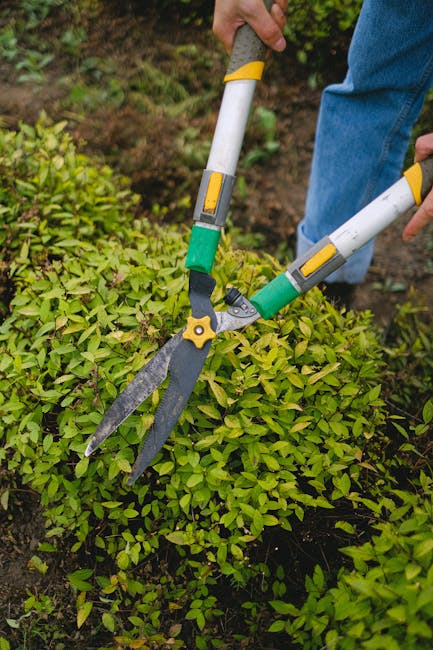
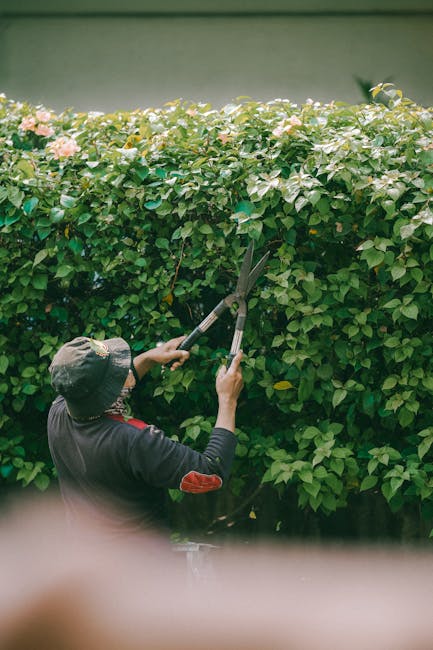
For example, mowing, hedge cutting, and patio cleaning are often best treated as different job types. A regular maintenance visit might focus on mowing, weeding, light pruning, and general tidying. A heavier seasonal visit might include leaf clearance, border reset work, and waste removal. If you lump everything together without explaining it, the booking can become too short or too expensive. Bit of a headache, really.
A well-run booking normally covers:
- what needs doing now
- how often the garden needs attention
- how easy it is to access the space
- whether waste removal is required
- any trees, fencing, decking, or hard surfaces that affect the work
- whether the job needs one visit or a sequence of visits
If the garden has become more than a simple tidy-up, the service may sit alongside garden clearance or even broader gardening services. Those distinctions matter because a maintenance booking should match the actual workload, not just the wording you happen to use on the day.
One practical point: the best bookings are not made in a rush between errands. You want enough time to compare options, read the terms, and confirm details. It saves confusion later, especially if the garden is being looked after on a recurring schedule.
Key Benefits and Practical Advantages
Booking carefully does more than keep the diary tidy. It improves the outcome of the work itself. When the visit is planned properly, the gardener can spend more time on the garden and less time dealing with surprises.
- Fewer missed visits: Clear timing and access details reduce the chance of wasted journeys.
- Better job matching: The right service is booked for the right kind of work.
- More accurate pricing: A clearer scope usually means fewer awkward add-ons later.
- Less disruption: You can plan around bin days, school runs, work calls, or quiet hours.
- Better seasonal planning: You are not stuck trying to book the first sunny weekend in May when everyone else has the same idea.
There is also a confidence benefit. Once you know the schedule is in place, the garden stops nagging at the back of your mind. You can look out the kitchen window, see the borders under control, and think: good, sorted. That small sense of order matters more than people admit.
For larger outdoor projects, booking maintenance alongside longer-term improvements can help the space work better overall. If the garden needs structural changes as well as care, related services such as landscaping or landscape gardening may be worth discussing so the maintenance plan makes sense from the start.
Who This Is For and When It Makes Sense
This kind of booking approach is useful for homeowners, landlords, managing agents, and anyone responsible for a garden that needs regular attention. It is especially sensible if the outdoor space is visible from the street, used by children or pets, or likely to become unmanageable if left too long.
You may need a more careful scheduling approach if:
- the garden changes quickly with the seasons
- you rely on a side passage, shared access, or a locked gate
- there are trees, hedges, or fences that create extra work around the edges
- you want the same time slot on a repeat basis
- you need work done before visitors, an event, or a tenancy changeover
It also makes sense if you have already had one bad booking experience. Maybe the gardener arrived expecting a light tidy, but the job needed a full reset. Maybe the quote changed after the visit because the original description was too brief. That happens. The good news is that it is usually avoidable next time.
Rented homes often benefit from a tighter routine because turnover dates tend to move around. If the property also needs periodic pressure washing or hard-surface cleaning, patio cleaning can be folded into the wider plan so the whole outdoor area looks cared for, not half-finished.
Step-by-Step Guidance
Here is a straightforward way to book without creating extra problems for yourself.
- Define the job properly. Write down exactly what the garden needs. "Tidy-up" is fine as a starting point, but add detail: mowing, edging, hedge trimming, weeding, waste removal, or a general reset.
- Check access before you book. Make sure gates, driveways, paths, and any locks or codes are ready. If the team cannot get in easily, the schedule can unravel before the first cut has been made.
- Choose the right timing. Think about weather, work hours, deliveries, pets, and neighbours. Early morning can work well, but not if the lawn is soaked or the bin lorry is already blocking the street.
- Confirm the frequency. One-off, fortnightly, monthly, or seasonal visits each suit different gardens. A lawn that grows quickly may need more regular attention than a low-maintenance courtyard.
- Ask what is included. Is waste removal included? Are materials extra? Is there an allowance for cutting back shrubs or handling awkward corners? Clear this up now, not after the job.
- Review the quote and terms. Make sure cancellation rules, payment expectations, and any weather-related adjustments are understood.
- Prepare the space. Move fragile pots, toys, hosepipes, and tools. A tidy work area makes the visit smoother and usually quicker too.
- Plan the next visit before the current one ends. If the space needs ongoing care, agree the follow-up there and then. That way you do not end up scrambling later.
A small extra tip: take two or three quick photos of the garden before the first visit. Not for drama. Just as a reference point. It helps when you are planning repeat work and trying to remember what was agreed.
Expert Tips for Better Results
In practice, the best maintenance bookings are the ones where both sides know what "done" looks like. A gardener may understand that perfectly, but you still need to say it. Silly as that sounds, it prevents a lot of guesswork.
Be specific about priorities. If the lawn matters more than the flower beds, say so. If access around the side return is tight, mention that. If you have a dog that needs to stay inside, make it part of the booking notes.
Bundle related tasks carefully. Some jobs fit together neatly, while others are better separated. For instance, lawn work and hedge trimming often work well on the same visit. Tree work, on the other hand, may need a different level of planning or specialist handling, especially if branches overhang structures or public boundaries. In that case, tree surgery or tree lopping and removal may be the more suitable route.
Think seasonally. Spring and early summer often bring faster growth, while autumn introduces leaves, damp paths, and more debris. Winter bookings may be simpler but can still be disrupted by weather. A slightly flexible plan is usually better than a rigid one.
Keep communication short and clear. Long rambling messages can hide the important bit. If you need a certain task done by a certain date, say that first. Then add the extras.
Ask for confirmation in writing. It does not need to be formal. A short message confirming date, scope, and any special instructions can save a lot of "hang on, I thought we meant..." later.
And one more thing: if you are looking after a property boundary or a new outdoor layout, it may be worth bringing in fencing or decking services at a later stage so the maintenance schedule suits the finished space. No point planning a routine around features that are about to change.
Common Mistakes to Avoid
This is where most scheduling trouble starts. The mistakes are ordinary, which is why they get missed.
- Booking too vaguely. "Just a garden job" is not enough detail for a proper slot.
- Assuming the provider knows the site. Unless they have worked there before, they do not know the gate width, parking pressure, or muddy corner behind the shed.
- Ignoring weather sensitivity. Wet grass, frozen ground, or high winds can all affect what can be done safely and sensibly.
- Forgetting waste volume. A small trim and a full seasonal clearance are not the same thing.
- Not allowing time for access. If somebody needs to meet the team, that should be built into the schedule.
- Mixing up maintenance and restoration. A neglected garden may need more than routine care.
- Leaving payment questions until the end. It is much easier to sort out beforehand.
One slightly awkward but common issue is the customer who wants a regular slot but never says how often the garden actually needs attention. The result is either overbooking or underbooking. Neither is ideal. If the lawn is growing like mad in late spring, monthly may simply not be enough.
Also, do not forget the simple stuff. A blocked gate, a forgotten bin, or a loose dog can disrupt the day more than a complicated quote ever will.
Tools, Resources and Recommendations
You do not need a complicated system to manage a garden booking, but a few practical tools help enormously.
- Phone photos: quick pictures of the garden before booking, especially useful for repeat work.
- Calendar reminders: handy for recurring maintenance and seasonal check-ins.
- Simple notes app: store access details, preferred days, and any special instructions in one place.
- Basic site checklist: gates, pets, parking, waste, water access, and fragile items.
On the service side, it helps to compare what different types of garden work are meant to achieve. If your main issue is lawn condition, a dedicated lawn mowing or lawn care visit may be more efficient than a general tidy. If the garden is cluttered or overgrown, starting with garden clearance could make later maintenance far easier.
For anything involving hard surfaces, remember that slippery algae or built-up grime can make a garden look untidy even when the planting is fine. That is where patio cleaning can make a visible difference. Small detail, big effect.
If you want to understand how a provider handles service expectations, booking terms, or secure payments, it is sensible to review pages such as pricing and quotes, payment and security, and terms and conditions before you commit.
Law, Compliance, Standards and Best Practice
Garden maintenance is usually straightforward, but there are still practical standards worth respecting. You do not need to become a compliance nerd about it, thankfully, but a little awareness helps.
For example, any work involving tools, ladders, tree operations, or heavy waste should be carried out with proper attention to safety. Reputable providers usually have clear procedures for access, risk awareness, and equipment handling. If you are booking larger or more complex jobs, it is sensible to check how the business handles insurance and site safety, and whether it has a published health and safety policy or insurance and safety information.
British gardens also come with a few broader best-practice considerations:
- avoid scheduling work that would create unnecessary nuisance at awkward hours
- keep shared access routes clear
- make sure waste is handled responsibly
- be realistic about what can be done safely in poor weather
- use specialist support for higher-risk tree work rather than treating it like routine pruning
There is also a sustainability angle. Green waste should be managed thoughtfully, and many customers prefer maintenance that reduces unnecessary disposal. If that matters to you, a provider's recycling and sustainability approach is worth reading. It is one of those quietly useful pages people often skip, then wish they had not.
Finally, if you ever need to raise a concern, it is reassuring to know a provider has a clear feedback process. Honest businesses usually welcome that. You can also review their complaints procedure and privacy policy so you know how your details are handled.
Options, Methods and Comparison Table
Not every garden booking needs the same approach. Here is a useful comparison to help you decide what kind of visit makes sense.
| Booking method | Best for | Advantages | Watch-outs |
|---|---|---|---|
| One-off maintenance visit | Seasonal tidy-ups, pre-event jobs, occasional refreshes | Flexible, quick to arrange, good for immediate needs | Can be less efficient if the garden needs regular care |
| Recurring maintenance | Lawns, hedges, borders, and gardens that grow quickly | Predictable, easier to budget, less chance of overgrowth | Needs clear frequency and good access on repeat visits |
| Clearance first, maintenance later | Neglected gardens or spaces that have got out of hand | Resets the space so ongoing care becomes realistic | Usually more labour-intensive at the start |
| Task-based booking | Specific jobs like mowing, hedge cutting, or patio cleaning | Very clear scope, easier to compare quotes | May need multiple visits if the garden has several problems |
In many real-world cases, the best option is a mix. A first visit might focus on clearance and the follow-up on routine care. That is perfectly normal. In fact, it is usually the smartest way to stop a garden from bouncing between chaos and emergency catch-up.
Case Study or Real-World Example
Picture a typical small garden in Penge: narrow side access, a lawn that grows faster than expected after a wet spell, a hedge that has started leaning into the path, and a patio with a bit of green film on it. Nothing unusual. Just one of those gardens that looks fine from a distance and then, up close, needs a proper plan.
The first booking mistake would be to ask for "a general tidy" and hope for the best. The better approach is to split the job into sensible parts: mow the lawn, trim the hedge, clear the beds, and clean the patio if needed. If the garden has become cluttered, a first visit might need garden clearance before maintenance can really stick.
In a case like this, the schedule would usually work better if the customer confirms access, moves furniture, and checks whether the gate can stay open during the visit. That sounds basic, and it is. But basic is often what saves the day.
The follow-up then becomes easier to plan because the gardener can see the actual pace of growth and set a realistic rhythm. Maybe the lawn needs fortnightly care in spring and monthly care later on. Maybe the hedge only needs occasional attention. Suddenly the booking is not a guess. It is a plan. Much better.
That is the real value of avoiding scheduling mistakes: less scrambling, less over-ordering, less disappointment, and a garden that feels under control rather than always one step behind.
Practical Checklist
Use this before you confirm a booking. It will save you time, honestly.
- Have I described the garden job clearly?
- Do I know whether this is a one-off or recurring visit?
- Have I confirmed access, gate codes, parking, and any obstacles?
- Have I said whether waste removal is needed?
- Do I know what is included in the price?
- Have I checked the timing against weather, work, pets, and other commitments?
- Have I asked what happens if the visit needs to be moved?
- Have I reviewed relevant service information such as pricing and quotes and terms and conditions?
- Have I prepared the space by moving fragile items?
- Have I agreed the next visit if the garden needs ongoing care?
If you can tick most of those off, you are already ahead of the game. Not perfect, maybe, but definitely ahead.
Get a free quote today and see how much you can save.
Conclusion
Booking garden maintenance in Penge avoid scheduling mistakes comes down to one simple idea: make the job clear before the day arrives. The more thought you put into scope, access, timing, and repeat visits, the smoother the work will be. It is not complicated, just a bit more careful than people expect.
For many homeowners and landlords, the difference between a stressful booking and a smooth one is just a handful of practical checks. That is encouraging, really. You do not need a massive system, just a sensible one. And once that is in place, the garden starts feeling manageable again.
When in doubt, slow the booking down by a minute, ask one more question, and make the plan properly. Future-you will be grateful, probably on a sunny afternoon with a tidy lawn and no rescheduling drama. Nice little win.
Frequently Asked Questions
What is the most common scheduling mistake when booking garden maintenance?
The most common mistake is being too vague about the job. If you only say "garden maintenance" without explaining the size of the space, access issues, or the exact tasks needed, the appointment can be too short, too broad, or booked with the wrong expectations.
How far in advance should I book garden maintenance in Penge?
That depends on the season and how busy the diary is, but booking earlier is usually safer for regular care or pre-planned tidy-ups. If the garden needs attention before an event, tenancy handover, or family visit, give yourself extra time.
Should I book lawn mowing and hedge trimming together?
Often, yes. If both tasks are due, combining them can be efficient and easier to manage. Just make sure the provider knows exactly what you want, especially if the hedge is large or the lawn is overgrown.
What details should I give before the visit?
Share the garden size, the tasks you want done, access details, parking notes, pet information, and whether waste should be taken away. A few clear photos can also help if the space is tricky or has not been maintained for a while.
Is a one-off booking better than recurring maintenance?
It depends on the garden. A one-off visit works well for seasonal resets, but recurring maintenance is usually better for lawns, hedges, and gardens that grow quickly. The right answer is the one that matches how fast your space changes.
What if the weather is bad on the day?
Weather can affect what is practical or safe, especially for mowing, pruning, or tree-related work. A sensible provider will usually discuss rescheduling or adjusting the visit if conditions are poor. It is normal, not a problem in itself.
How do I avoid paying for the wrong type of service?
Be specific about whether you need maintenance, clearance, lawn care, or something more specialised. For example, a neglected garden may need clearance first, while a tidy garden may only need routine upkeep. If you are unsure, ask for help defining the scope before confirming.
Do I need to prepare the garden before the team arrives?
Yes, a little preparation helps a lot. Move toys, pots, garden furniture, and anything fragile out of the way. Make access easy, and if you have pets, plan where they will be during the visit.
Can garden maintenance include patio or hard-surface cleaning?
It can, but only if that is agreed in advance. Hard surfaces often need their own attention, so it is worth mentioning them separately. A patio can make a garden look much tidier when cleaned properly, but it is better to spell that out early.
What should I check in the provider's information before booking?
Look at service details, pricing, payment security, terms, and any safety information. A clear provider will usually make it easy to understand what is included and how the booking is handled. That transparency is a good sign.
What if my garden needs more than routine maintenance?
If the space is overgrown, cluttered, or showing signs of bigger issues, you may need a clearance visit or specialist help before regular maintenance makes sense. That is very common. Starting with the right first step saves money and frustration later.
How do I make recurring bookings easier to manage?
Keep one note with access details, preferred days, recurring tasks, and anything that has changed since the last visit. A bit of organisation now prevents repeated mistakes later. Simple, but effective.
Can tree work be folded into a maintenance visit?
Sometimes, but not always. Light pruning may fit into a general visit, while larger or riskier work is better treated separately. If the job involves substantial branches, awkward access, or safety concerns, specialist tree services are the safer option.