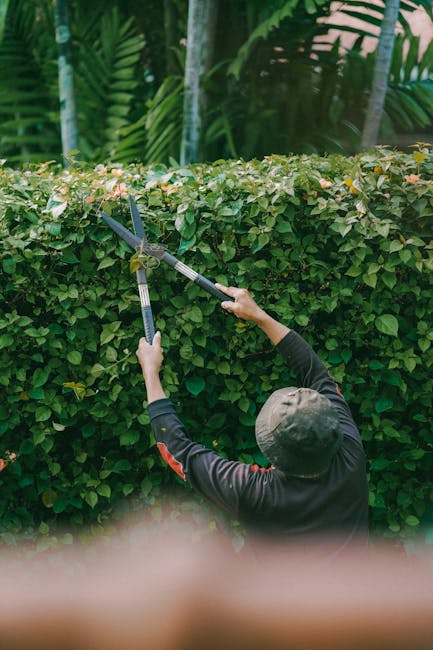
Avoid hidden garden maintenance charges in Penge gardeners quotes
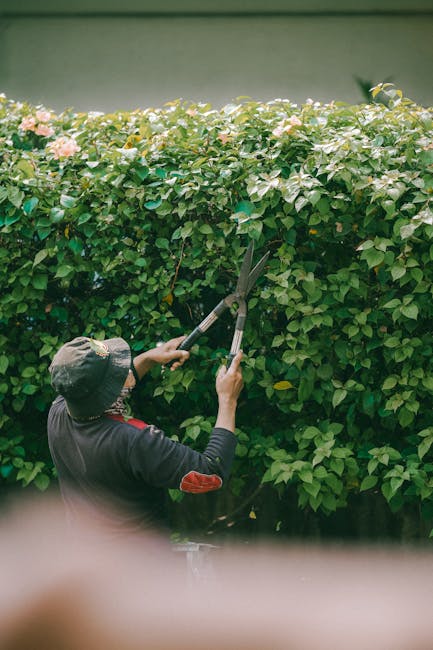
Getting a gardeners quote should feel straightforward. You ask what you need, you get a price, and you decide whether it works for your garden and your budget. Simple, right? Well, not always. Hidden add-ons, vague wording, and little "extras" can turn a sensible quote into a frustrating bill by the end of the first visit. If you want to avoid hidden garden maintenance charges in Penge gardeners quotes, the key is to understand how pricing is built, what is commonly included, and where cost creep usually sneaks in.
This guide walks you through the whole thing in plain English. You'll see how to compare quotes properly, which questions to ask before work starts, and how to spot the little details that often separate a fair quote from a headache. It's written for homeowners, landlords, and anyone managing a small or large outdoor space in Penge who wants clarity before they sign off on the job.
To make the process even easier, you can also review broader service details on pricing and quotes, and if you want to understand how a maintenance visit is typically structured, the garden maintenance page is a useful place to start.
Why Avoid hidden garden maintenance charges in Penge gardeners quotes Matters
Garden maintenance often looks simple from the outside. Trim a hedge, mow a lawn, clear weeds, sweep a patio, maybe remove some waste. But once a gardener arrives, the real condition of the space can tell a very different story. Overgrown borders, damp corners, awkward access, heavy green waste, and fragile planting all affect time, effort, and materials. That is why hidden charges happen so often: a quote is given before the full picture is understood.
In Penge, where gardens can range from compact terraces to larger family plots, one-size pricing rarely fits everything. A front garden might need only a quick tidy-up, while a back garden could involve stubborn brambles, ivy on fences, or layers of leaf fall from mature trees. If a quote is too loose, the final invoice may include extras that never felt fully discussed.
That matters for more than just your wallet. It affects trust. You need to know whether the price reflects the actual job, whether waste disposal is included, and whether there are additional call-out or labour charges. A good gardener should be happy to explain that clearly. A fuzzy quote, by contrast, tends to create awkward conversations later. And honestly, nobody wants that over a small patch of soggy turf on a Wednesday morning.
There is also a practical side. If you are planning regular care, such as lawn care or recurring visits through a gardening services package, hidden extras can distort your budget over time. A few small add-ons each month soon become noticeable. So the earlier you clarify the quote, the easier it is to manage the garden and the money behind it.
How Avoid hidden garden maintenance charges in Penge gardeners quotes Works
At its core, this process is about turning a broad estimate into a transparent scope. Good quotes usually break the job into clear parts: labour, materials, waste removal, specialist equipment, access issues, and any recurring schedule. The more specific the breakdown, the less room there is for surprises.
Most hidden charges appear in a few predictable places:
- Waste disposal: Some quotes include bagging and removal; others assume you will handle it yourself.
- Access difficulty: Narrow side passages, locked gates, or no parking nearby can affect labour time.
- Scope creep: A tidy-up can quietly become a full clearance if the garden is more neglected than expected.
- Specialist tasks: Hedge work, tree pruning, pressure washing, and fence repairs may be priced separately.
- Materials and consumables: Compost, bark, fertiliser, herbicide alternatives, or fuel may not be built in.
That is why a quote should never be read as just one number. You need to look at what that number actually covers. If a gardener says, "GBP140 for maintenance," ask whether that includes disposal, edging, weeding, pruning, and sweeping. If not, the quote is incomplete, even if it looks tidy on the page.
For some homeowners, the easiest route is a regular maintenance agreement. For others, it makes more sense to book a one-off visit after a seasonal reset. If you are dealing with seasonal overgrowth, a service like hedge trimming in Penge or focused work like lawn mowing may be quoted separately, which is normal. The trick is making sure those separate items are clearly named.
Key Benefits and Practical Advantages
When you get pricing right, the benefits go beyond avoiding a nasty surprise on the invoice. Clear quotes help you make faster decisions, compare providers fairly, and plan garden work in sensible stages rather than scrambling later.
- Better budgeting: You can set aside the right amount from the start.
- Fair comparison: You compare like for like, not vague estimate against vague estimate.
- Fewer disputes: Clear scope means fewer "I thought that was included" moments.
- More efficient scheduling: Work can be phased into tidy, manageable visits.
- Stronger trust: Transparent pricing usually reflects a more professional service overall.
There is also a quality angle that people sometimes overlook. A quote that is carefully written often suggests the gardener has actually looked at the site, asked the right questions, and understands what the job involves. That usually leads to better work. Not always, but often enough to matter.
Expert summary: The cheapest quote is not always the best value, and the highest quote is not always the most complete. The most reliable quote is the one that spells out exactly what you are paying for, what could change the price, and what happens if the scope changes after the first visit.
If you want a broader picture of what a reputable business should provide alongside pricing clarity, it is worth browsing the company's about us page and insurance and safety information. Those pages do not tell you everything, of course, but they do help build confidence before you proceed.
Who This Is For and When It Makes Sense
This advice is useful for almost anyone hiring a gardener, but it becomes especially important in a few situations.
- Busy homeowners: If you do not have time to inspect work detail by detail, a clear quote protects you.
- Landlords and letting agents: End-of-tenancy garden work often needs quick turnaround and predictable costs.
- Elderly residents: If someone else is arranging the work, pricing transparency helps avoid confusion.
- New homeowners: Freshly bought gardens often hide far more work than first appears.
- Anyone with a neglected garden: The rougher the state of the space, the more likely extra time or waste removal may be needed.
It also makes sense if your garden includes features that raise the complexity a little: decking edges, broken fencing, steep slopes, dense planting, or a lot of mature shrubs. If you are looking at broader outdoor improvements, services such as landscaping, decking services, or fencing may involve separate cost items, and those should be clearly quoted from the outset.
Truth be told, the moment you hear "we'll see once we get there," your antenna should go up a bit. That does not automatically mean anyone is being shady. Sometimes the job genuinely cannot be fully judged from photos alone. But if the garden has already been inspected and the quote is still fuzzy, it is fair to ask for more detail.
Step-by-Step Guidance
Here is a practical way to keep quotes clean, understandable, and fair.
- Describe the job in plain language. Say what you want done and what you do not want done. For example: "front and back lawn cut, weeds removed from borders, patio swept, and waste taken away."
- Share photos or request a visit. A few pictures help, but for larger or messier gardens, an in-person look is better. Hidden costs often come from missed details.
- Ask for a written breakdown. Request separate line items for labour, waste, materials, and any special tasks.
- Confirm what counts as extra. Ask what triggers a price change. Overgrown hedges? Heavy lifting? Green waste bags? Parking? Be specific.
- Check the time basis. Some gardeners quote by the job, some by the hour, and some use a hybrid model. Make sure you know which one applies.
- Ask about disposal. If the gardener is removing waste, find out whether tip fees or loading time are included.
- Clarify access. Is there a side return? A long carry to the vehicle? Tight access can influence the price.
- Get the schedule in writing. If it is a regular maintenance visit, ask how often the quote applies and whether the rate changes seasonally.
- Check payment terms. Know when payment is due, which methods are accepted, and whether deposits apply. The payment and security page is a sensible reference point here.
- Keep the quote and any follow-up messages. If something changes later, you will have a record of what was agreed.
A small but important tip: if the gardener changes the scope mid-conversation, repeat the new version back to them in simple language. It sounds almost too obvious, but it saves a lot of grief. "So that includes the hedge, the weeds, and the waste, but not the tree branch removal?" That kind of confirmation is gold.
Expert Tips for Better Results
Over time, the best quotes tend to come from clients who are organised but not overcomplicated. You do not need a spreadsheet for every blade of grass. Still, a little preparation goes a long way.
- Be honest about the condition of the garden. If it has not been touched for months, say so. A surprising garden is an expensive garden.
- Group similar tasks together. Combining mowing, edging, and light weeding can be more efficient than booking each job separately.
- Ask whether annual or seasonal tasks are cheaper when bundled. For example, winter tidy-ups and spring resets often make sense as a package.
- Watch for vague phrases. Words like "basic tidy," "as needed," or "light clearance" can be perfectly legitimate, but only if they are explained.
- Match the service to the problem. A hedge issue should not be hidden inside a general maintenance line. If hedge work is the main task, a more specific service such as hedge trimming Penge can make pricing much clearer.
- Use photos with scale. A picture of the whole garden is good, but a close shot of overgrowth or access points is even better.
A final tip from real-world experience: if a gardener gives you a quote too quickly for a garden that clearly has complexity, pause. Fast is not always bad, but a quote should still feel considered. In our experience, the best professionals ask a few awkwardly specific questions. That's usually a good sign, not a bad one.
If your garden is in a rougher phase and you want to bring it back under control before regular care begins, seasonal recovery advice such as awaken your dormant garden can help you decide what should be tackled first and what can wait.
Common Mistakes to Avoid
Most pricing problems are avoidable. They come from rushed decisions, unclear wording, or assumptions that never got checked.
- Accepting a verbal-only quote. Helpful in a pinch, but risky if the job changes.
- Assuming waste removal is always included. It often is not.
- Forgetting to mention awkward access. Narrow paths and locked gates can affect labour time.
- Not asking about minimum charges. Small jobs may still have a minimum visit fee.
- Mixing maintenance with improvements. Clearing a bed is different from redesigning it.
- Choosing only on headline price. A very low quote can hide exclusions that cost more later.
- Ignoring insurance and safety. If work involves ladders, cutting tools, or heavier clearance, this matters.
Another common one? Thinking "it's only a quick job." Garden work has a funny habit of looking smaller from the kitchen window than it does on the ground. Once someone starts cutting back shrubs and pulling weeds by hand, the time can climb faster than expected. That is normal. But it should still be explained.
Tools, Resources and Recommendations
You do not need specialist software to compare gardeners quotes. A notebook, a few photos, and a calm checklist are usually enough. Still, a few simple resources on the website can help you make a more informed decision.
- Pricing and quotes guidance for understanding how estimates may be structured.
- Terms and conditions to check payment, scope, and service expectations.
- Complaints procedure so you know what to do if a quote or bill does not match what was agreed.
- Health and safety policy if the work could involve tools, height, or heavier garden clearance.
- Privacy policy if you are sharing photos, contact details, or access information.
- Cookie policy for general site transparency while browsing.
For gardening inspiration, the blog content can also help you understand what kind of work your garden might need before you request a quote. A few relevant reads include weed control tips, weatherproofing measures, and organic waste and composting ideas. Those are useful because they can help you spot which tasks are maintenance, which are improvement, and which should be priced separately.
Law, Compliance, Standards, or Best Practice
For everyday garden maintenance, the main issue is not usually legal complexity; it is clear service agreement and safe working practice. Still, a few points are worth keeping in mind.
First, if work involves powered tools, ladders, chainsaws, or heavy waste handling, the gardener should have appropriate safety processes in place. That does not mean you need a lecture on site. It does mean the business should treat risk seriously. The website's insurance and safety information is relevant here, because it shows whether the service thinks about responsibilities beyond the garden gate.
Second, best practice in the UK usually means a quote should be clear, not ambiguous. You should know what is included, what might change, and what conditions apply. That is especially important if the work is split across multiple visits or depends on weather. A wet patch in the morning can change what is sensible to mow, and a stormy week can push everything back. Simple enough, but it should be communicated.
Third, if the work extends into larger projects like tree work or structural changes, ask whether specialist services are required. A general gardener may not be the right fit for every task. For example, anything that involves significant pruning or felling should be discussed separately through a dedicated tree surgery service where appropriate. That helps avoid both pricing confusion and safety issues.
Options, Methods, or Comparison Table
When you are comparing quotes, it helps to understand the common pricing styles. None is automatically better than another; what matters is whether the model fits the job and is clearly explained.
| Pricing method | How it usually works | Best for | Watch out for |
|---|---|---|---|
| Fixed quote | One agreed price for a clearly defined job | Known tasks with limited uncertainty | Exclusions hidden in the small print |
| Hourly rate | You pay for the time spent on site | Uncertain or variable garden condition | Jobs taking longer than expected |
| Quoted range | A price band is given based on final inspection | Large or complex gardens | Ambiguity if the range is too wide |
| Package maintenance | Regular visits at an agreed rate | Ongoing upkeep | What counts as a "standard visit" |
For most homeowners trying to avoid hidden charges, a fixed quote with a clear list of inclusions is the easiest to understand. But if your garden is very overgrown or still being assessed, an hourly or range-based quote can be fairer, provided it is explained properly. The bad version is not the model itself. It is the vagueness around it.
Case Study or Real-World Example
Imagine a typical Penge back garden after a damp spring. The lawn is patchy and a bit too long, the borders are full of weeds, the hedge has grown wide rather than high, and there is a small patio with leaves trapped in the corners. The homeowner wants "a tidy-up" and asks for a quote based on a couple of photos.
The first quote comes back as a single number with no breakdown. It sounds acceptable at first. But then the gardener arrives, sees the amount of waste, notices poor side access, and explains that removal and hedge work are extra. The final cost ends up much higher than expected.
Now compare that with a clearer approach. The homeowner first asks for a written quote that includes lawn mowing, border weeding, hedge trimming, patio sweeping, and waste removal. The gardener reviews the photos, checks access, asks a couple of questions, and provides a more detailed estimate with a note saying extra clearance would only apply if the volume of waste was materially higher than shown. That second version feels slower at the start, but it saves time, money, and hassle later.
That is the real point of all this. Hidden charges do not just happen because a gardener is careless. They often happen because the scope was never nailed down properly. Once you make the job specific, the quote usually becomes far more reliable.
Practical Checklist
Use this before you agree to any garden maintenance quote:
- Have I described the job clearly, not vaguely?
- Have I shared photos or arranged a visit?
- Do I know what the quote includes?
- Do I know what counts as an extra charge?
- Is waste removal included?
- Have access, parking, and carry distance been discussed?
- Is the price fixed, hourly, or a range?
- Are materials and consumables included?
- Are payment terms written down?
- Do I have the quote saved somewhere?
- Have I checked any related service pages if the job is specialised?
If you can tick most of those off, you are already ahead of many people. No need to make it complicated. A calm, clear exchange usually does the trick.
Conclusion
To avoid hidden garden maintenance charges in Penge gardeners quotes, focus on clarity before convenience. Ask better questions, request written detail, and make sure the work scope matches the number on the page. A trustworthy quote should feel specific, practical, and easy to explain back in your own words. If it does not, keep asking. The right gardener will not mind.
And if your garden needs more than a quick tidy, that is fine too. Break the work into sensible parts, compare services carefully, and choose the option that gives you peace of mind as well as value. A good quote should leave you feeling informed, not cornered. That, in the end, is what sensible garden budgeting looks like.
Get a free quote today and see how much you can save.
When the numbers are clear, the garden gets easier to enjoy. Simple as that.
Frequently Asked Questions
What are hidden garden maintenance charges in a quote?
They are costs that are not clearly explained at the start, such as waste removal, access difficulties, extra labour, or specialist tasks that only appear later.
How can I tell if a gardeners quote is honest?
An honest quote usually explains what is included, what is excluded, and what could change the price. If it feels vague, ask for a breakdown.
Should waste removal always be included?
Not always. Some gardeners include it, some charge separately. Always ask whether green waste, loading time, and disposal fees are part of the quote.
Is a fixed price better than hourly pricing?
It depends on the job. Fixed pricing is easier for clear, defined work. Hourly pricing can be fairer for uncertain or very overgrown gardens.
What extra charges should I ask about before work starts?
Ask about hedge work, tree branches, bulky waste, parking issues, materials, fuel, and any minimum visit fee.
Can I get a garden quote from photos only?
Sometimes yes, especially for smaller jobs. For larger or neglected gardens, an in-person visit is usually safer for accurate pricing.
Why do some quotes seem much cheaper than others?
They may exclude things like disposal, pruning, edging, or detailed weeding. A low headline price is not always a full price.
What should be written into a good gardeners quote?
The main tasks, the price basis, waste handling, any exclusions, timing, payment terms, and anything that would trigger an extra charge.
Do regular garden maintenance visits reduce costs?
They often can, because keeping a garden in shape is usually quicker than clearing a neglected one. It also helps stop scope creep.
What if the gardener finds more work than expected?
They should explain the issue, tell you what it means for the price, and get approval before continuing if the extra work changes the agreed scope.
Are insurance and safety relevant to pricing?
Yes. Work involving tools, ladders, or heavier clearance should be carried out with proper safety processes, and that should be reflected in how the business operates.
How do I avoid misunderstanding after the work is finished?
Keep the written quote, save any follow-up messages, and make sure both sides are using the same description of the job. A quick recap before the work starts can save a lot of trouble later.